10-40
A 40 year anniversary collection in homage to Andy Warhol, the world’s most endangered animal species and Ronald & Frayda Feldman

In 1983, N.Y’s visionary gallerist Ronald Feldman and his wife Frayda,
suggested an idea to Andy Warhol. This resulted in Warhol producing a series of 10 artworks
of the 10 most endangered animal species in 1984.
The Forse art collection ‘10-40’ revisits that same idea. 10 works of art featuring the 10 most
endangered species but 40 years later.
Each motif limited to 40 prints. Resulting in the 10-40 title of this Forse collection.
The title also evokes the police call 10-40 (meaning ‘fight in progress’), since the theme for
this collection is indeed the fight for the survival of these animals and their habitats. As
such these ten works aim to engage with that sense of urgency, especially since 4 of the
animals that were the most threatened in 1983 are STILL on the same list today and
featured in this collection as it was in Warhol’s.
In the Forse 10-40 collection, the images themselves deliberately highlight everything but
the actual animals. The scenes play out like provocative Greek tragedies where in the end
the only losers are the animals and their habitats. Visually created to draw the viewers’ eye
towards acts of reckless play that seem to involve the animals only on the fringes. Echoing
the human tendency to take our world for granted and treat our fellow inhabitants like
something to exploit until they finally disappear.
Each original art piece in the series is hand painted in mixed media on reclaimed Plywood
sized to 79cm x 79cm (just over 31 inches x 31 inches). The choice to use reclaimed wood
material is in part to echo the habitat loss for many of these species but it’s also an
expression of my Scandinavian roots where art and design often use raw wood surfaces to
express a synergy with nature.
In 2026 Forse art donated £110 from profits of ‘10-40’ sales to ‘WWF’ via ‘work for good’

‘Here we go!’
79cm x 79cm (“31” x “31”)
Mixed media on reclaimed Plywood
The Orangutan. Part of the ‘10-40’ collection.
2024
SOLD
The two kinds of Orangutan – the Bornean and the Sumatran Orangutan – have both
experienced sharp declines in populations. A century ago there were probably more
than 230,000 Orangutans in total, but the Bornean Orangutan is now estimated at about
104,700 based on updated geographic range and the Sumatran about 13,846. They are
primarily threatened by habitat loss from human-caused deforestation for palm oil.
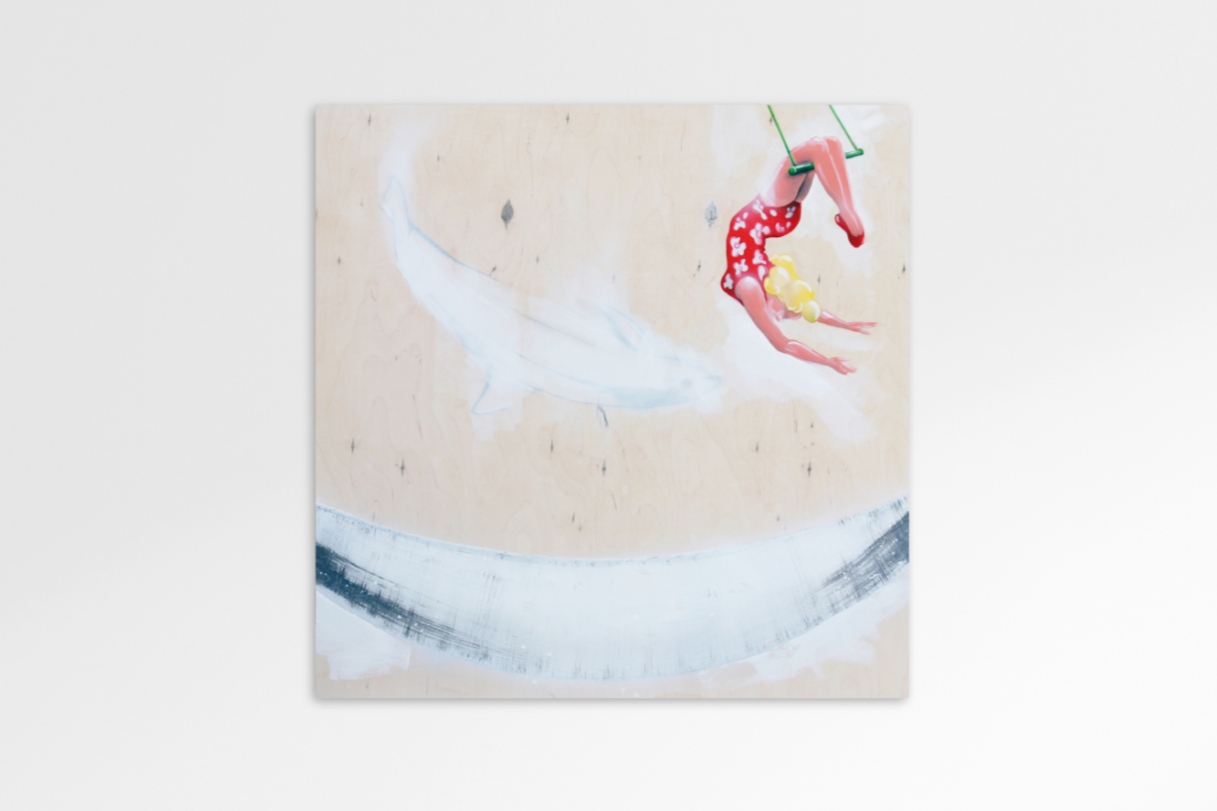
‘Net result’
79cm x 79cm (“31” x “31”)
Mixed media on reclaimed Plywood
The Vaquita. Part of the ‘10-40’ collection.
2024
SOLD
As both the smallest and most endangered marine
mammal in the world, the Vaquita has been classified as
critically endangered by the IUCN since 1996 and
experts say there may only be about 10 individuals left,
despite extensive conservation efforts.
Their biggest threat is from the illegal gillnet fishing of
Totoaba, a large fish in demand because of its swim
bladder. Conservation efforts led to the introduction of
a ban on gillnets back in July 2016, but illegal fishing
continues, and the threat remains.
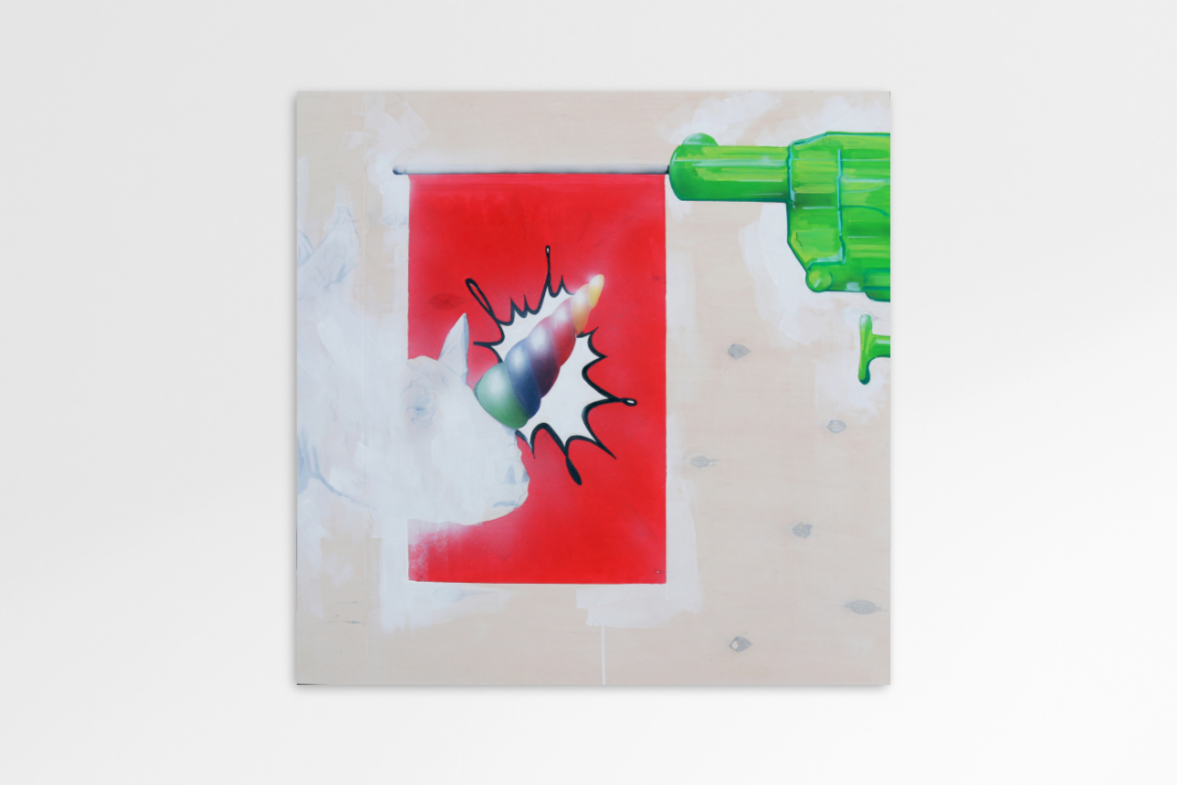
‘Bang!’
Rhinos are one of the most poached animals on the planet. Their horns are used in traditional
Chinese medicine and displayed as a symbol and demonstration of wealth. Because of poaching,
three of the five species of rhinos are among the most endangered animals in 2024:
the Black rhino, the Javan rhino and the Sumatran rhino. The Javan rhino is the closest to
extinction with only around 60 individuals left, all of which are in Ujung Kulon National Park
in Indonesia, while Black rhino population is estimated to be around 5,500 individuals.
79cm x 79cm (“31” x “31”)
Mixed media on reclaimed Plywood
The Rhino. Part of the ‘10-40’ collection.
2024
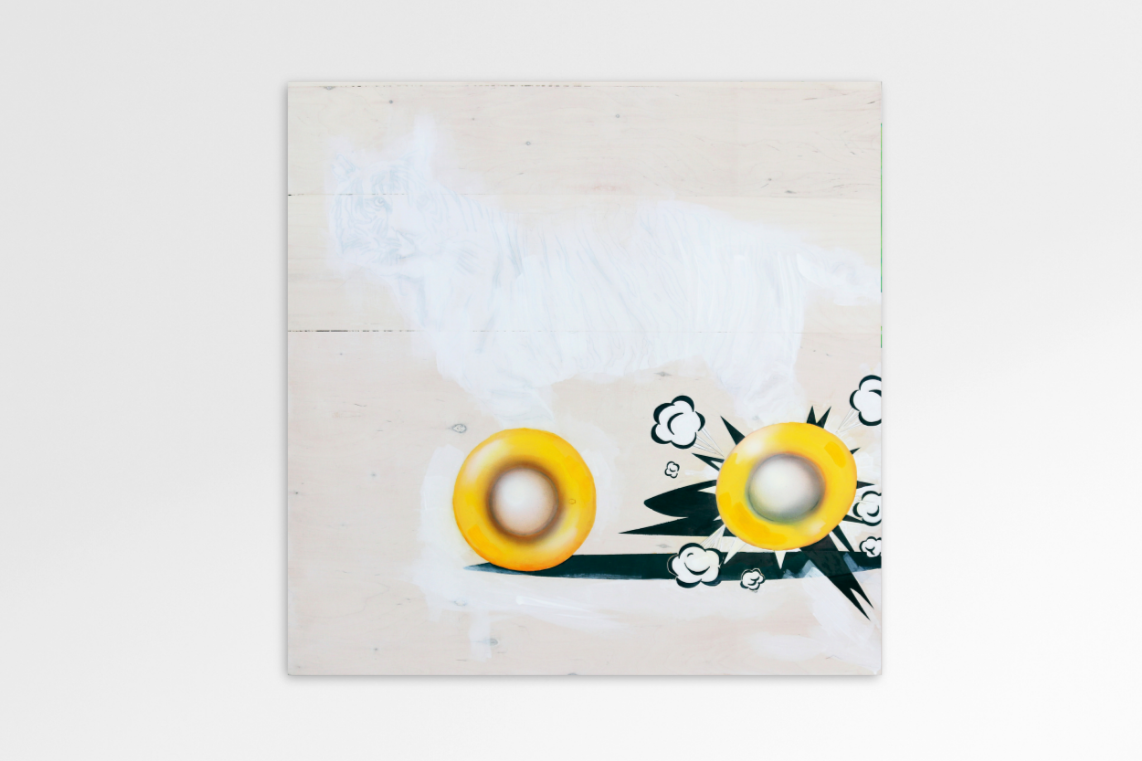
‘And then the wheels came off’’
Of all the big cats, tigers are the closest to extinction. with fewer than 3,900 tigers
remaining in the wild. Sunda tigers in particular are especially vulnerable. With
numbers estimated to be at fewer than 400 today, accelerating deforestation and
rampant poaching mean it could end up extinct like its Javan and Balinese
counterparts. Despite increased efforts in tiger conservation – including strengthening
law enforcement and anti poaching capacity – a substantial market remains in
Sumatra and other parts of Asia for tiger parts and products.
79cm x 79cm (“31” x “31”)
Mixed media on reclaimed Plywood
Sunda Tiger. Part of the ‘10-40’ collection.
2024
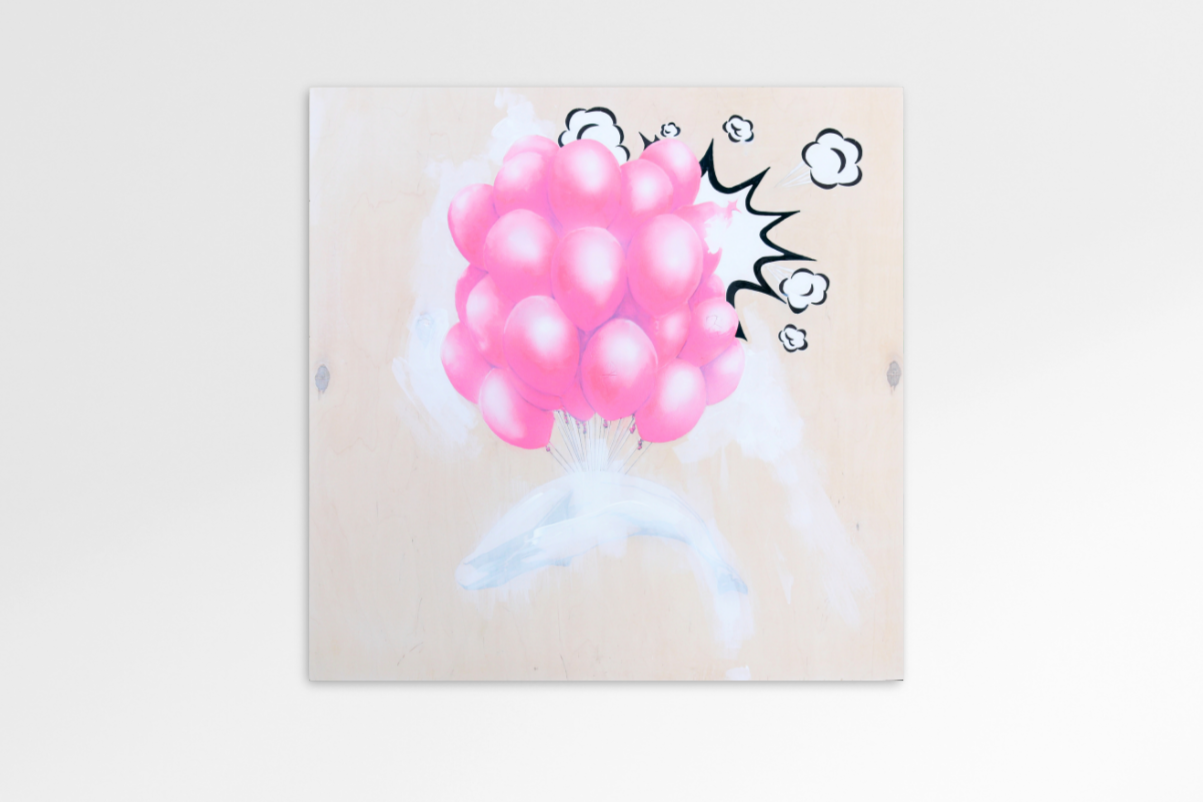
‘Up! But mostly down’
Finless porpoises live in the Yangtze River in China. Unfortunately, they are
vulnerable to fishing; even though they are not directly targeted by fishermen,
large numbers of the species die when they become accidentally entangled in
fishing gear. The waters they live in are also constantly busy with fishermen
and people using the waterways to move around, so they get injured and killed
by boats and ships. There are between 1,000 and 1,800 finless porpoises left
in the Yangtze. The annual decline rate of 13% means these animals are expected
to become extinct within 10 years if there are no conservation actions in place.
79cm x 79cm (“31” x “31”)
Mixed media on reclaimed Plywood
Yangtze Finless Porpoise. Part of the ‘10-40’ collection.
2024

‘Ooops!’
Two species of sea turtle are critically endangered on the
IUCN Red List of Threatened Species: Hawksbill Turtles and
Kemps Ridley Turtles. Hunting is one of the biggest threats to
sea turtles, with poachers targeting their eggs, shells, meat
and skin. They are also at risk from habitat loss, bycatch and
pollution as well as climate change.
79cm x 79cm (“31” x “31”)
Mixed media on reclaimed Plywood
Sea turtle. Part of the ‘10-40’ collection.
2024
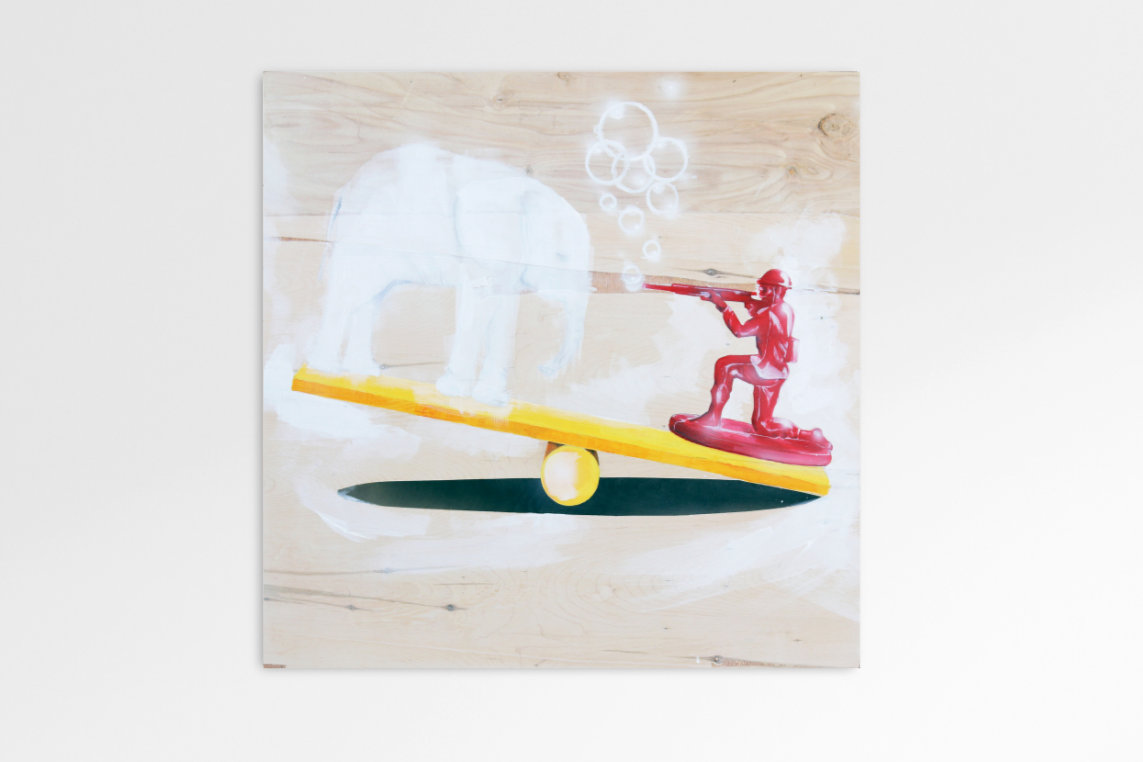
‘Bubble over’
Numbers of African Elephants are continuing to fall, particularly in central
Africa and parts of East Africa. With an estimated 415,000 elephants left on
the continent, the species is regarded as vulnerable, although certain
populations, like the Forrest Elephant, are being poached towards extinction.
79cm x 79cm (“31” x “31”)
Mixed media on reclaimed Plywood
African Elephant. Part of the ‘10-40’ collection.
2024
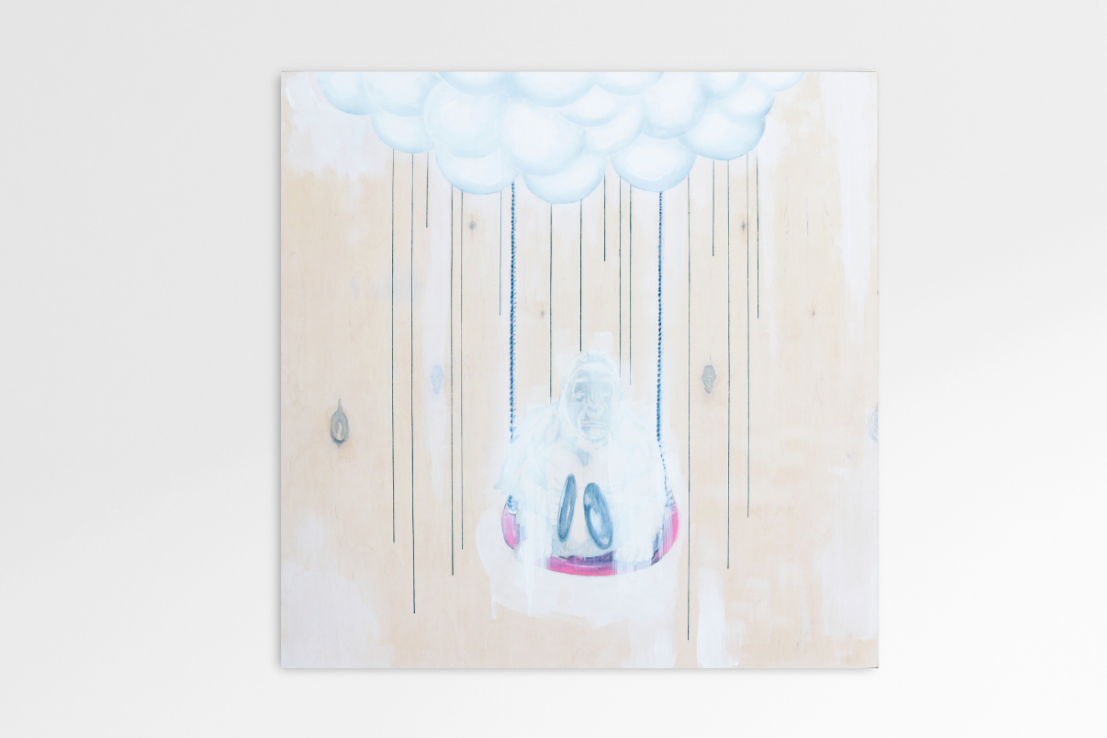
‘Such FUN!’
The Mountain gorilla is a sub-species of the Eastern gorilla, which lives in two isolated
populations in the high-altitude forests up in the volcanic, mountainous regions of the
Democratic Republic of Congo, Rwanda and Uganda, and in the Bwindi Impenetrable
National Park of Uganda. At present, Mountain gorillas are currently listed as an
endangered species, with just over 1,000 individuals in the wild.
However, multiple threats remain that can hinder the recovery progress for this species.
79cm x 79cm (“31” x “31”)
Mixed media on reclaimed Plywood
Mountain Gorilla. Part of the ‘10-40’ collection.
2024
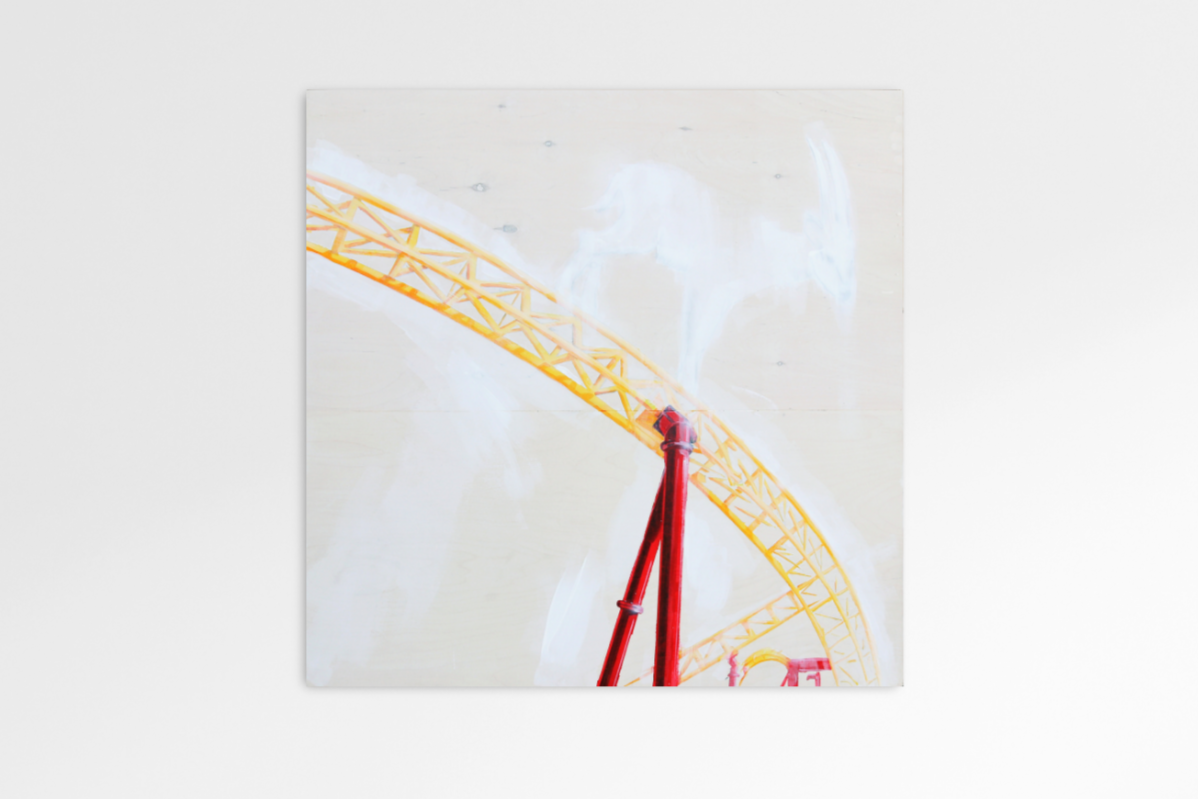
‘Until the fun stops’
Often called the Asian unicorn, the Saola is one of the rarest mammals on
the planet and for this reason, it makes the list of the world’s most endangered
animals in 2023-24. It was first discovered in 1992 in the Annamite Range in
Vietnam and is rarely seen. The total Saola population is thought to be less
than 750, likely to be much less.
79cm x 79cm (“31” x “31”)
Mixed media on reclaimed Plywood
Saola. Part of the ‘10-40’ collection.
2024
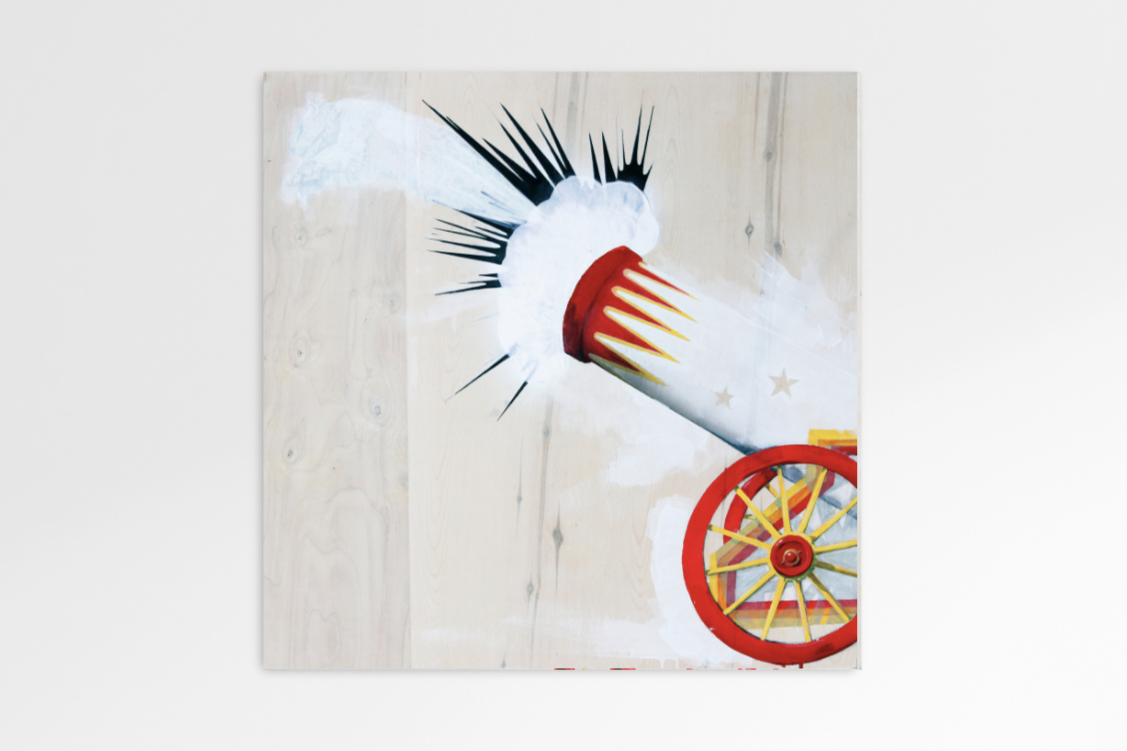
‘Boom!’
One of the world’s most endangered animals in 2023 is the Amur leopard.
Between 2014 and 2015, only around 92 individuals were left in their natural range.
This number is now estimated to be around 84. They are extremely vulnerable to
poachers, who kill them for their coats and bones, the latter of which is sold for use
in traditional Asian medicine. They are also at risk of habitat loss due to natural and
man-made fires.
79cm x 79cm (“31” x “31”)
Mixed media on reclaimed Plywood
Amur Leopard. Part of the ‘10-40’ collection.
2024